
 EN
EN
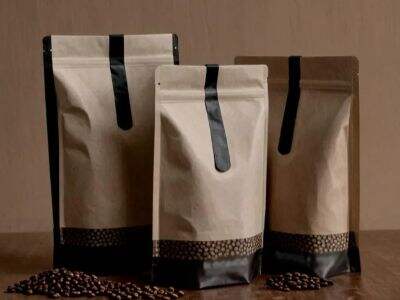
There is more to sustainable product packaging than going green or looking pretty. It’s also about getting the full measure of a package in terms of its impact on the environment from beginning to end. At Dongyiyuan, we think true sustainability in packaging involves taking a hard look at the numbers behind it — how much pollution or waste it really contributes. This makes it easier for wholesale buyers to make sure they are choosing options that won’t harm the planet and still work well for what they need. While some of the details can be arcane, understanding them can change the way companies think about recyclable packaging. This isn’t just about what looks good or costs less; it’s also about what is best for the Earth in the long run.
Measuring Carbon Footprint in Wholesale Sustainable Packaging.
For example, a package might be compostable but require certain facilities that are not everywhere. Absent this, the package simply heads to a landfill spewing methane gas — a potent greenhouse gas. So carbon footprint figures should be taken with a grain of salt, and they need to be interpreted and understood in context of real-life actions. For wholesale buyers, that means pressing suppliers like Dongyiyuan for transparent data on the carbon footprint and information about how packaging acts when tossed away. Selecting the earth friendly packaging materials that has the smallest carbon footprint is a good first step, but buyers also need to consider how their material of choice will fit into their supply chain and disposal capabilities. Only then will packaging be truly better for the planet, not just on paper.
What Makes Packaging Truly "Sustainable" For Wholesale Buyers?
Sustainable packaging is so much more than a label or material selection. Buyers in wholesale need to choose packaging that negotiates environment, cost and function. At Dongyiyuan, we view sustainability as a jigsaw with many pieces. First, materials matter. Recycled or sustainable materials lessen the consumption of new resources. But not all recycled material is created equal. Some could take a lot of energy to break down or have only a limited amounts of facilities that can easily recycle them. So we scrutinize the entire journey of the packaging material. The second is that it’s a lot of work to do well. Fragile recyclable packaging materials is wasteful when its contents are destroyed, and new packaging must be produced. Dongyiyuan makes packaging purposefully robust yet uses less material where it can. Third: It makes a huge difference how you discard the packaging. Recyclable or compostable packaging helps to close the loop, but only if there are local systems in place to recycle it. Wholesale buyers need to know what happens after the customer throws that package away.
What Are the Typical Environmental Issues Product Packaging Faces?
When we think about product packaging, how it looks and how well it protects the stuff inside are usually top of mind. But there are a multitude of environmental problems associated with packaging that we need to be aware of. One big challenge is waste. Most product packaging, such as plastic bags, boxes and wrappers can be used once and then discarded. This produces a great deal of trash, much of which goes into landfills or, worse, in nature where it injures animals and plants. Another problem is pollution.
Finding the Right Balance Between Cost and Sustainability When Placing Wholesale Packaging Orders
Businesses making large purchases of packaging want to spend money wisely and also support the environment. This balance between cost and sustainability can be difficult to find. Here at Dongyiyuan we appreciate wholesale buyers are looking for packaging that is low in cost, yet high in sustainability. Balancing competing goals One way to address balanced the first and third goals, and had found inspiration in materials that are reusable or recyclable but not prohibitively expensive). For instance, it’s often cheaper to use special types of plastic than paper or cardboard.